
 Register

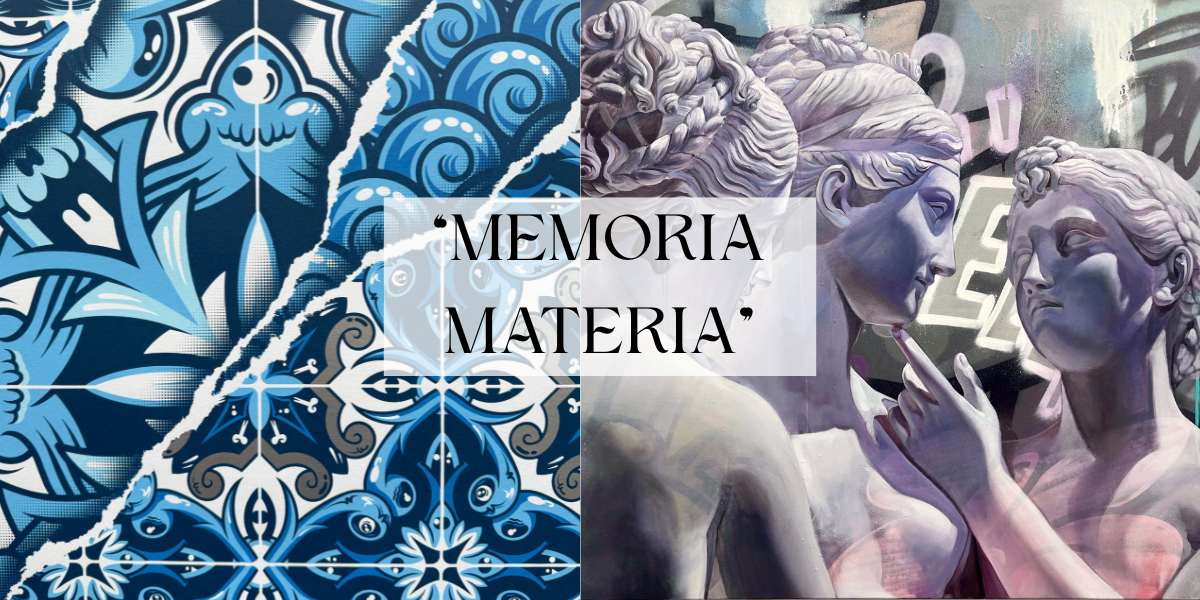
In the landscape of contemporary urban art, the collaboration between PichiAvo and Add Fuel marks a moment of unprecedented dialogue and artistic convergence.
Two distinct visual languages — the reinterpreted classicism of the former and the decorative universe of the latter’s azulejos — come together to explore the theme of material memory: an investigation into the ability of matter to preserve traces of identity, history, and culture.
The Dialogue between Ceramics and Classical Sculpture
At the heart of the project lies a key concept: matter as a vehicle of memory.
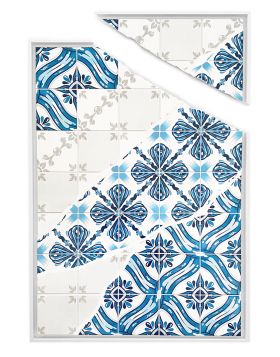
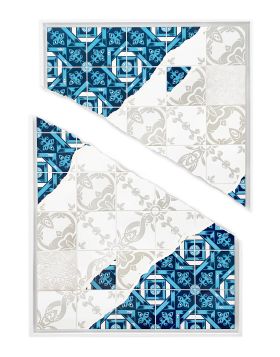
Add Fuel, the Portuguese artist known for his contemporary reinterpretations of azulejos, brings everyday ceramics back to their role as a visual archive of both personal and collective memory.
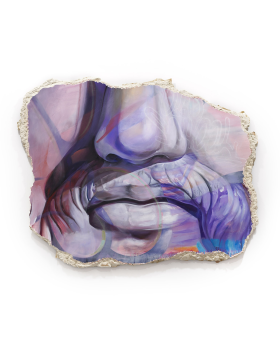
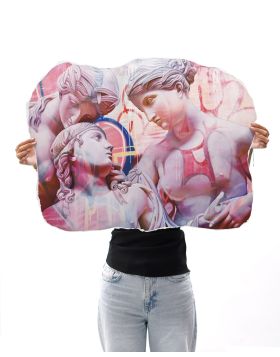
In parallel, PichiAvo — the Spanish duo formed by Juan Antonio Sánchez and Álvaro Hernández — draws inspiration from the imagery of Greco-Roman sculpture, myths, and classical allegories, translating them onto urban surfaces and contemporary materials.
The encounter between these two artistic worlds generates a shared language where ornament and classical form coexist in dynamic balance: tradition is renewed, the past converses with the present, and matter becomes symbol.
Creative Process and Shared Vision
The project was born from a spontaneous dialogue between artists who share a similar visual sensibility and a deep attention to the cultural stratification of the Mediterranean.
During the creative process, both explored the iconographic motifs of Portuguese ceramics — geometric elements, mythological figures, and classical forms — seeking connections between the monumentality of sculpture and the expressive strength of urban art.
As Add Fuel states:
“Thanks to our past, we can understand who we are, and we can work with our roots to create something new.”
A statement that encapsulates the essence of their collaboration: a creative process rooted in awareness of origins and in the capacity to transform tradition into contemporary language.
For PichiAvo, working with Add Fuel was a natural evolution:
“We share the same artistic roots. Our collaboration came naturally, as the result of a shared creative search.”
The Works and Material Experimentation
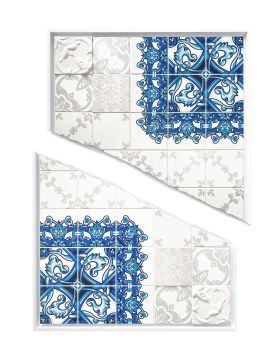
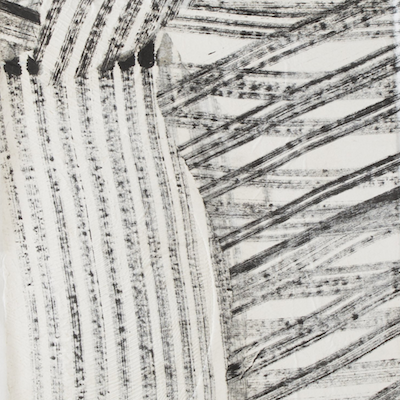
The works resulting from this collaboration combine diverse techniques and materials: mural painting, ceramics, plaster, wood, and hybrid surfaces that merge textures, patterns, and figures.
The use of azulejos, traditionally associated with architectural decoration, is reinterpreted as a narrative fabric — a surface that tells the story of a place and its transformation over time.
Alongside this, PichiAvo’s monumental figures emerge as timeless presences, almost sculptural, inhabiting color and blending with Add Fuel’s geometries in a visually balanced composition.
The result is a body of work that unites craftsmanship and urban gesture, memory and innovation, classical and digital — restoring to urban art its role as a bridge between eras and languages.
Meaning for Contemporary Collecting
This collaboration represents a reference point for contemporary street art collecting.
The works of PichiAvo and Add Fuel offer a new perspective: the opportunity to own a fragment of history that belongs not only to the present but also dialogues with centuries of visual culture.
For collectors, value lies in conceptual research and in the transformation of urban language within a broader aesthetic context.
Each piece embodies the balance between spontaneous expression and formal construction, between popular culture and classical art.
Matter, Memory and Identity
The collaboration between PichiAvo and Add Fuel is more than an artistic encounter — it is a reflection on memory as the foundation of creation.
Through the fusion of techniques, symbols, and materials, the two artists construct a visual discourse that bridges past and future, craft and technology, tradition and experimentation.
The result is a powerful and coherent narrative that invites viewers — and collectors — to perceive urban art not merely as a language of the present, but as a conscious heir to art history and a witness of collective memory.
Let curiosity guide you.
Explore the new frontiers of urban art collecting and discover how contemporary street art can transform your way of experiencing art.