


 Register

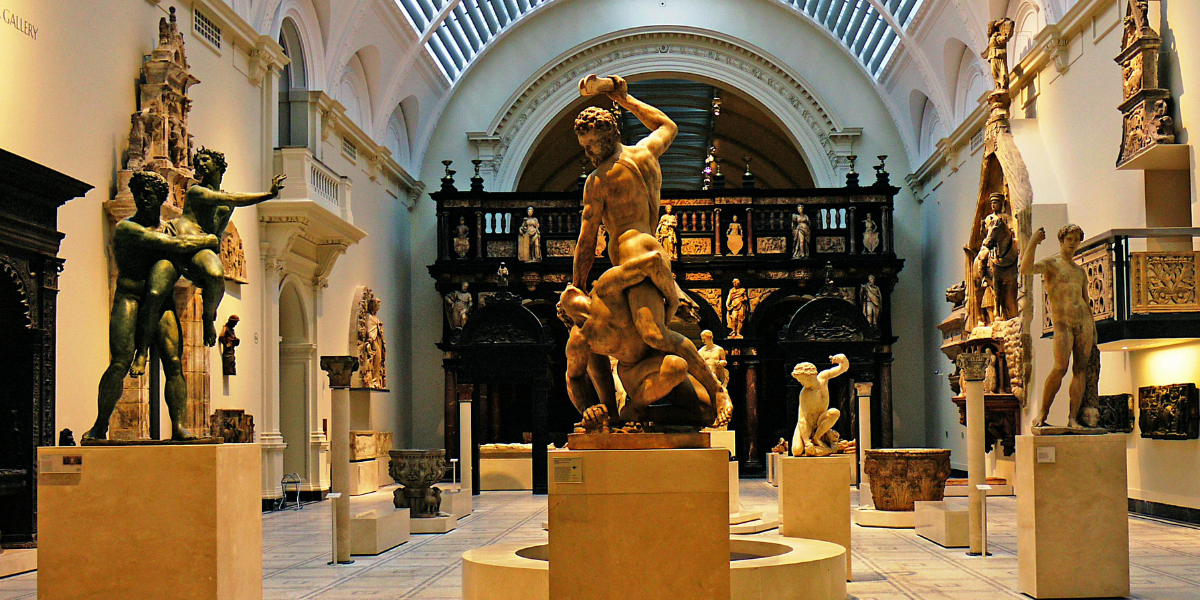
Street art has always maintained a deep connection with urban space, often unconventional and accessible to everyone. In recent years, however, many contemporary artists have brought their works into museums and cultural institutions, creating a stimulating dialogue between urban language and academic contexts.
These collaborations not only enhance artistic research, but also broaden public perception, showing how street art can engage with history, technique, and museum curation.
Miaz Brothers at the GAM in Rome
A significant example is represented by Miaz Brothers, the Italian duo known for their ability to blend urban iconography and visual experimentation.
Their collaboration with the Galleria d'Arte Moderna di Roma marked an important moment: their works, traditionally connected to the street, were reinterpreted and presented within a museum context, highlighting their technical complexity and the depth of their content.
The exhibition allowed the public to observe the works in a new light: every detail, every chromatic and graphic layering could be studied and appreciated without the typical distractions of urban space, emphasizing the versatility and expressive strength of the Miaz Brothers.
Discover the works of the Miaz Brothers!
Obey at Fabbrica del Vapore
Similarly, the collaboration with Obey at the Fabbrica del Vapore in Milan represented another example of how street art can enter institutional circuits without losing its identity.
Obey’s works, characterized by the iconic and provocative visual language typical of his practice, were enhanced within a space designed to host large installations and site-specific interventions.
Fabbrica del Vapore provided a context in which the public could interact with the work in an immersive way, experiencing the visual and conceptual power of an artist who has redefined the relationship between urban art and society.
Why Institutional Collaborations Matter
These projects demonstrate that street art is not confined to the streets: it enters museums, galleries, and cultural institutions, bringing with it an immediate and universal contemporary language.
The main benefits of these collaborations include:
- Expanded visibility: institutional audiences discover artists they may have previously known only through urban space or social media.
- Curatorial enhancement: works are presented through carefully designed installations that highlight technical and conceptual details.
- Cultural dialogue: the meeting between urban art and institutions encourages reflection on the role of contemporary creativity in society.
- Collectibility and market impact: presence in museum contexts increases recognition and value within the contemporary art market.
Collaborations between street artists such as the Miaz Brothers and Obey with museums and institutions represent a fundamental evolutionary phase of urban language. Bringing works born on the street into museum contexts expands the possibilities for engagement and reflection, offering the public a complete and immersive experience.
For collectors and enthusiasts, these initiatives confirm the cultural solidity of the artists and the relevance of their works within the contemporary landscape, demonstrating that street art can engage with history and institutions without losing its original energy.