

 Register

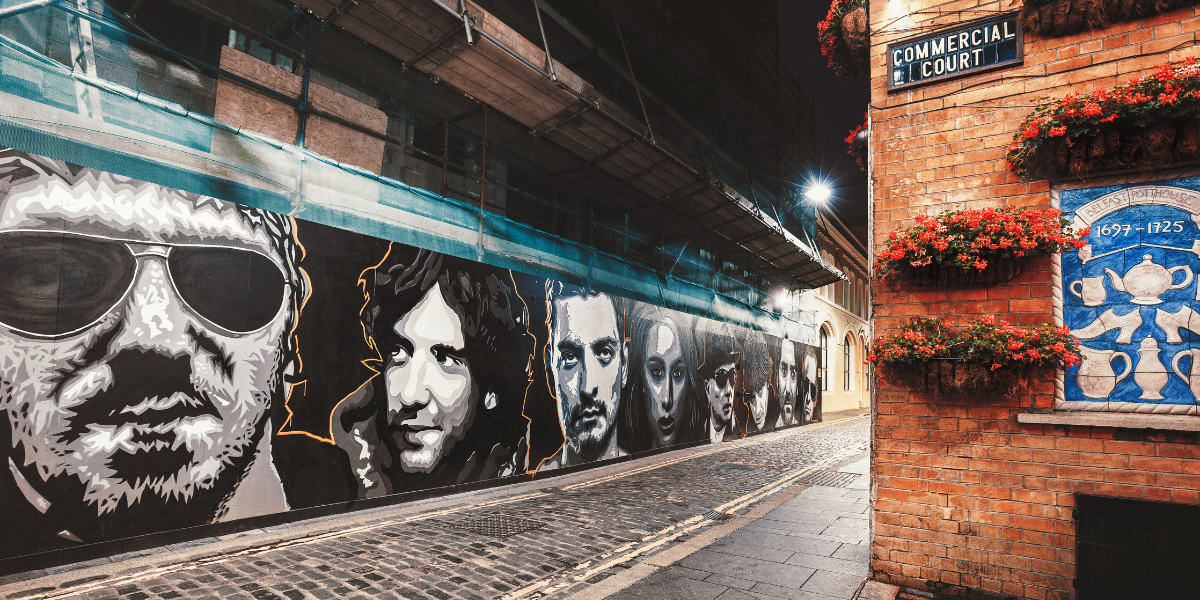
Collecting urban art means, in a sense, collecting memories. Cities change rapidly: a mural may disappear after just a few months, a painted fence may be removed, a site-specific intervention may be transformed by time or by the gaze of other artists. Street art is born with an ephemeral destiny, yet it carries with it a visual and cultural heritage that speaks of urban life, its contradictions, and its energies.
In recent years, more and more collectors have been seeking works capable of conveying this transient dimension. They are not simply looking for a painting or a sculpture, but for a fragment of the city: a gesture, an atmosphere, a memory.
The city as a living archive
Every urban intervention contains a story. Some works speak of social transformations, others reflect on identity and belonging, while still others celebrate a neighborhood, a street, a community. Artists absorb the rhythm of the city, reinterpret it, and give it back through visual languages that feed on their context.
When a work enters a private collection, it carries this network of relationships with it: it remains tied to a place, even if that place changes or disappears.
Many works on canvas, paper, or experimental supports are born precisely as extensions of urban projects—attempts to fix a memory before it is erased, or to deepen and expand the viewer’s experience.
From the ephemeral to the permanent: the challenge of preservation
Street art is, by its very nature, fragile. It is exposed to climate, time, and layering. When an artist works in the studio, however, they have the opportunity to develop more stable materials that preserve the spontaneity of the urban gesture while ensuring durability over time.
Canvases that echo the aesthetic of weathered walls, collages built from posters recovered from the streets, photographs documenting vanished interventions, sculptures born from recontextualized urban objects: each work becomes a way to preserve memory without betraying the original spirit.
Collecting urban art also means choosing how to preserve what cannot be preserved in its original context. It is a form of care for a culture that often leaves no permanent traces.
The emotional value of urban memory
Unlike other artistic languages, urban art speaks to a shared, everyday space. Many works are created in places crossed by thousands of people, becoming part of a neighborhood’s identity and leaving a mark on the collective imagination. When a collector brings home a work by an urban artist, they also bring with them this emotional dimension: the memory of a lived, shared, and traversed city.
Some collectors choose works that evoke neighborhoods where they have lived or worked; others seek artists who have left significant marks in cities they love; still others are drawn to the way an artist translates the energy of the street into the studio.
In every case, the artwork becomes an emotional map—an object that holds memories, atmospheres, and perceptions.
The artwork as an extension of urban space
Many contemporary artists move fluidly between street art, studio practice, and museum projects. Their works on traditional or experimental supports carry the same visual tension that characterizes public interventions, while allowing for a more intimate form of engagement.
The gesture remains spontaneous, the language direct, the imagery urban: what changes is the context, not the identity of the work.
It is within this continuity that the appeal of collectible urban art lies. What is born in open, exposed, and shared spaces finds a new life in private ones, where the relationship with the artwork becomes more personal and profound.
Collecting fragments of the city
Collecting works that tell the story of the city means building an archive of memories—a constellation of signs that dialogue with both the present and the past of urban spaces. It is not merely an aesthetic act, but a way of giving value to a language that constantly exists on the threshold between permanence and ephemerality.
Each work becomes a fragment of a wall, a street, a story. A small piece of the city that continues to speak, even when the place from which it originated has been transformed.